Venice AI South Africa: privacy modes, model choice and uncensored use
A concise South Africa field guide to Venice AI model choice, privacy routes and less restricted creative work—without treating a product label as a security guarantee.
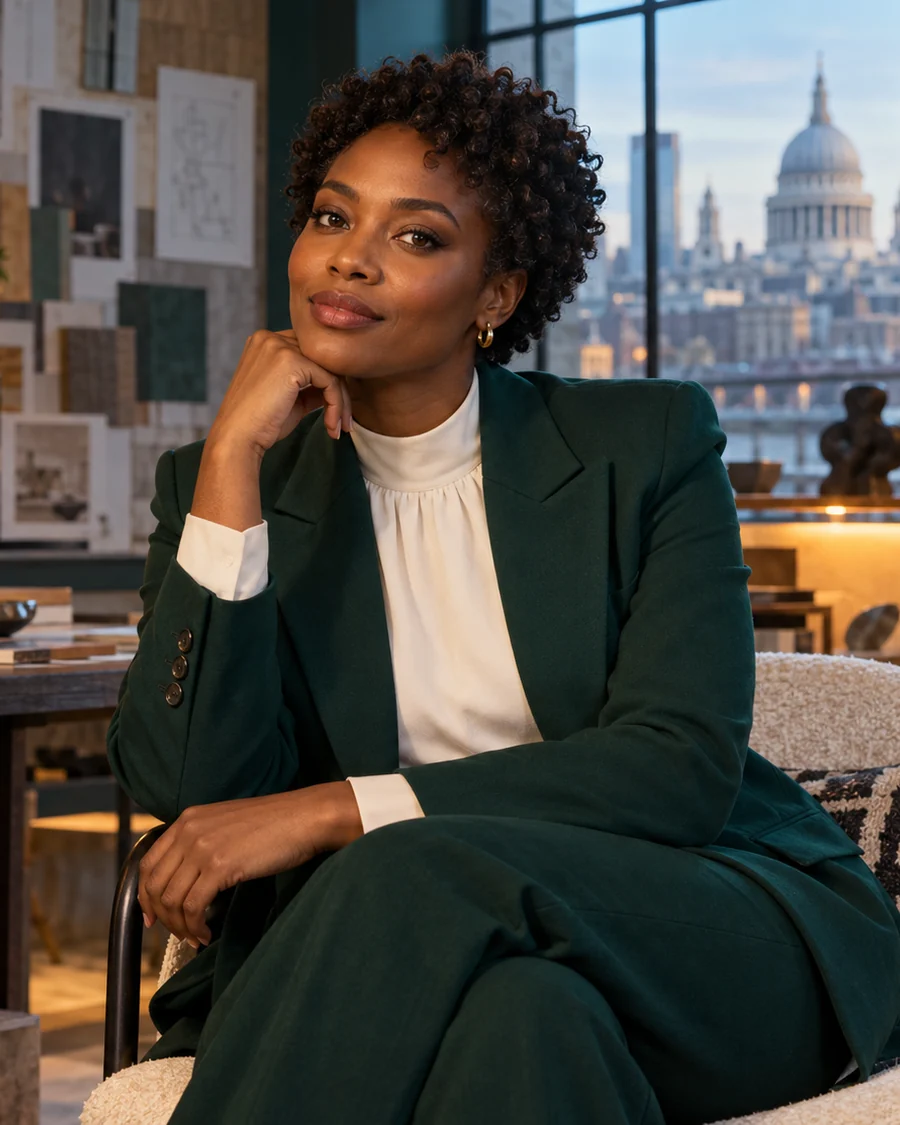
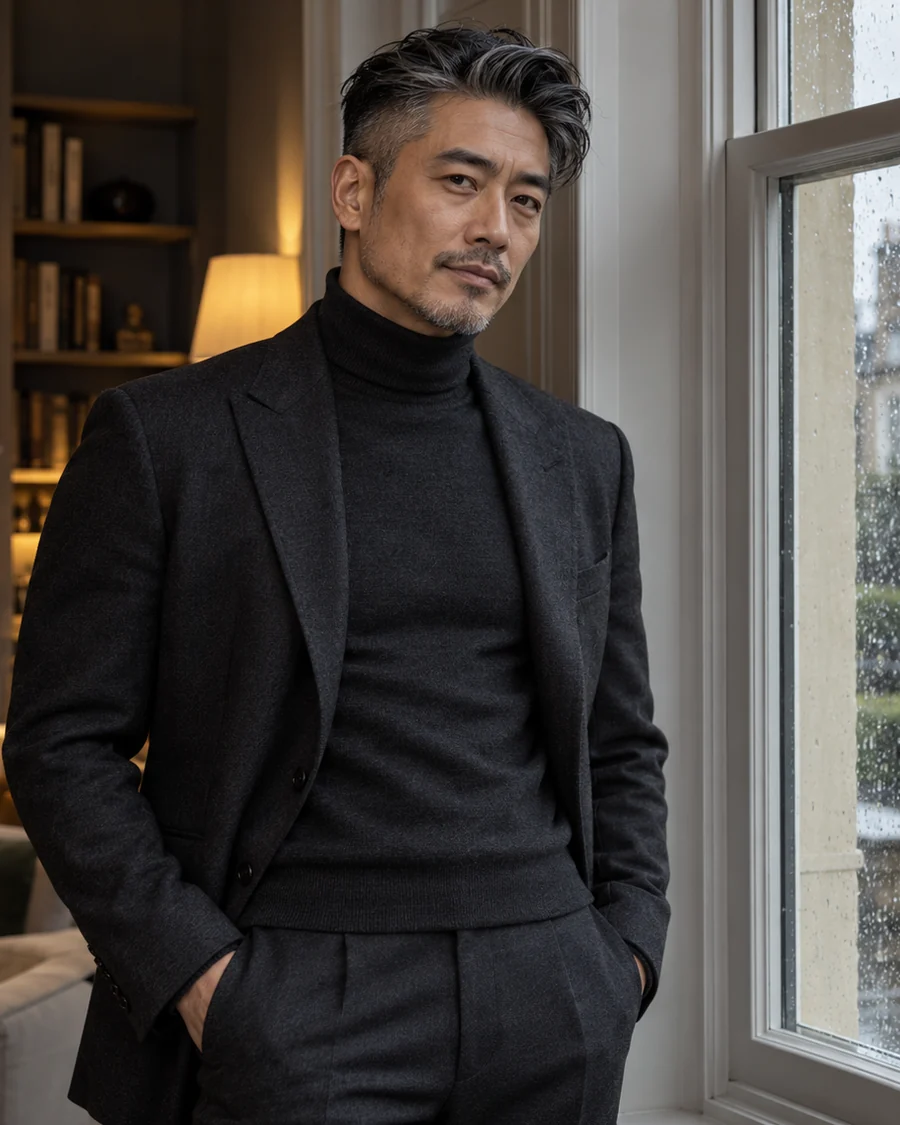
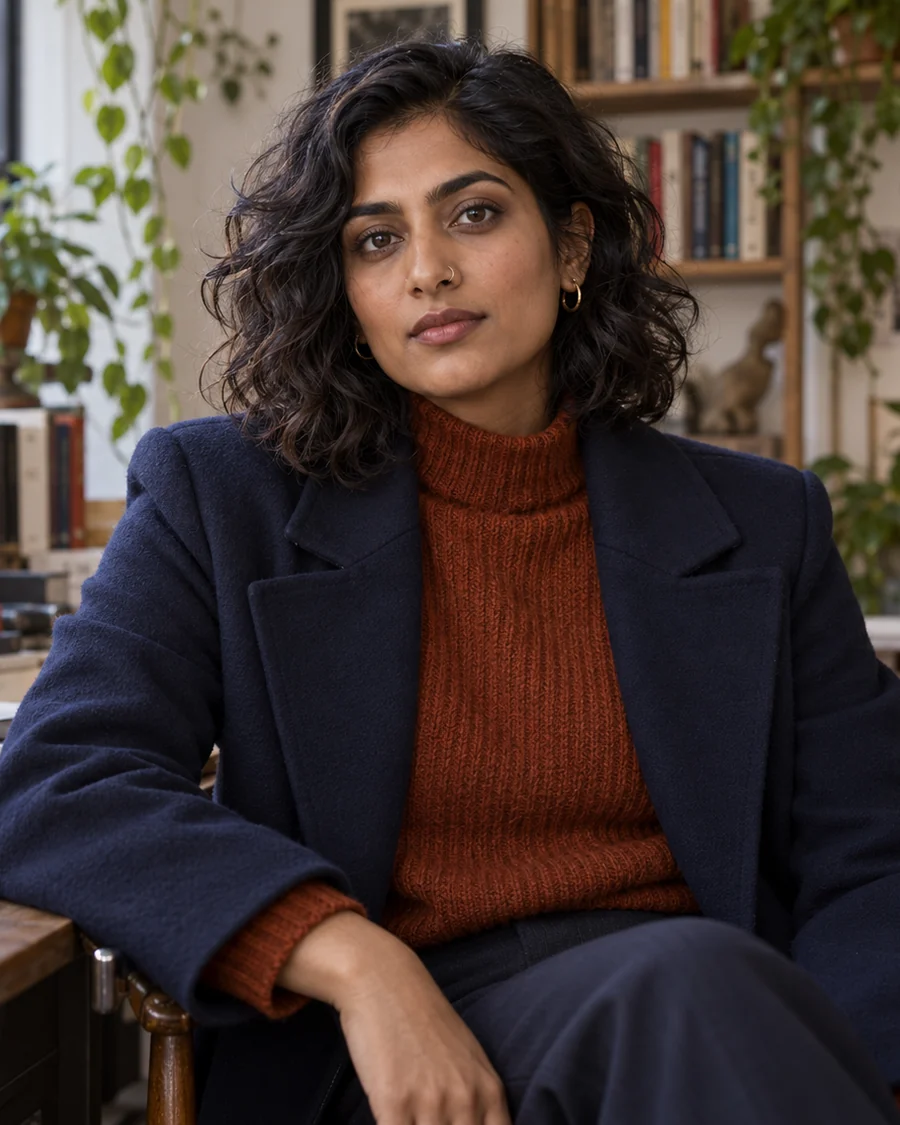
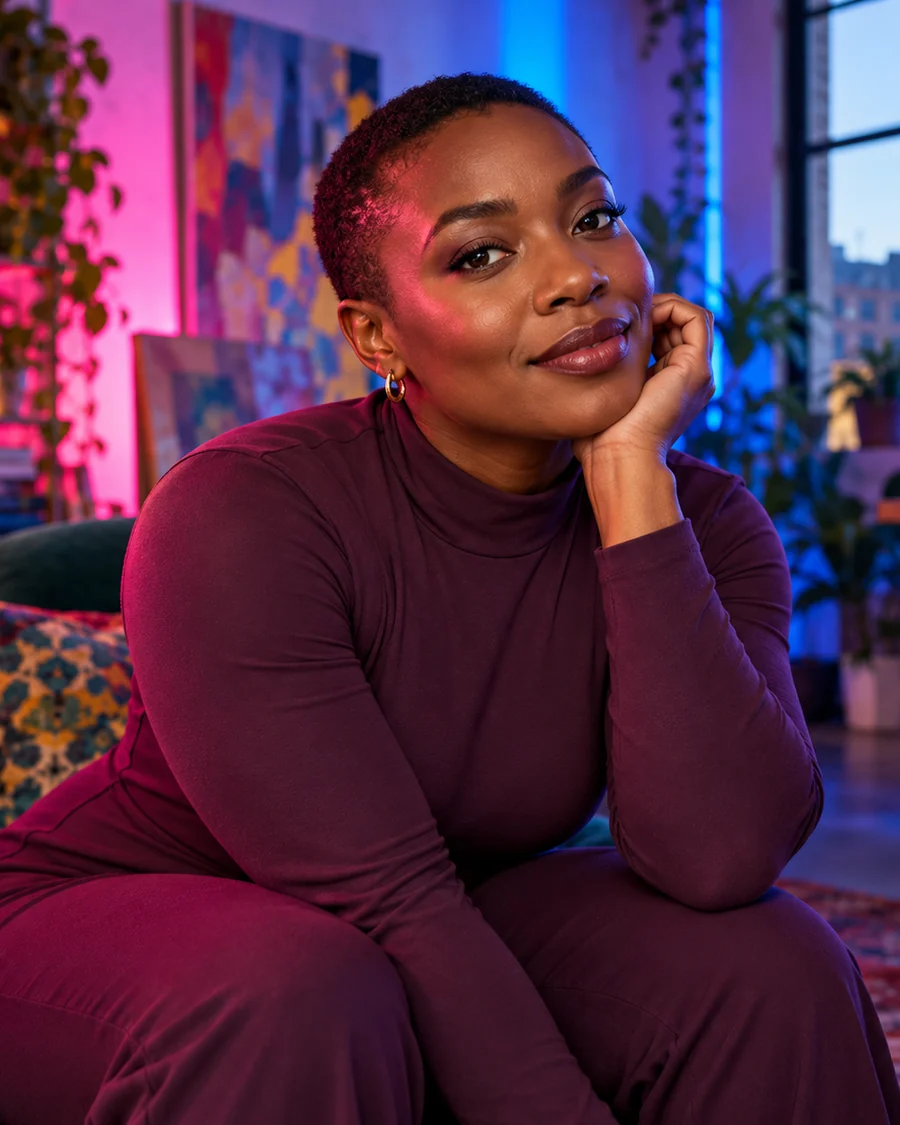
Venice is a general AI service, not a catalogue of the people below. These original fictional adults are editorial prompt starters for testing tone, continuity and boundaries. They are deliberately varied in age, gender presentation and setting, with no claim that Venice offers them as built-in models or characters.
Editorial media note: every person shown here is a generated fictional adult, fully clothed and non-explicit. They illustrate possible conversation briefs only; they are not real people, Venice employees, official avatars or sampled Venice outputs.
02
Privacy is a route, not a single switch
Venice describes four privacy modes rather than one universal guarantee. The distinction matters because identity masking, contractual zero retention, hardware isolation and end-to-end encryption solve different problems. Conversation history is described as local to your device, while inference still needs a route to a model. Read the badge on the selected model before treating any chat as sensitive.
01
Local conversation history
Venice says your conversation history remains on your device rather than being stored as a server-side account archive. That can reduce a familiar central-data risk, but the device itself becomes part of the security model. Shared profiles, browser sync, extensions, malware and unlocked laptops can still expose local content. Decide whether a temporary browser session, separate profile or device-level encryption is appropriate before starting sensitive work.
02
Anonymous is not zero knowledge
In Anonymous mode, Venice says it hides your identity from the frontier model provider by proxying the request. Its privacy page also tells users to assume that provider stores the content. The benefit is identity separation, not a promise that the prompt vanishes. Use it for broad access to leading closed models, not for material whose disclosure would cause harm.
03
Private and TEE differ
Private mode is described as inference on Venice-controlled GPUs or zero-data-retention partner infrastructure, enforced through operational and contractual commitments. TEE goes further by processing inside a hardware-isolated environment with remote attestation. The latter offers a technical verification layer, but Venice notes that it may be slower and available on fewer models. Pick the route that matches the sensitivity of the task.
04
E2EE trades features for assurance
Venice describes E2EE as encrypting the prompt on your device and decrypting it only within a verified trusted environment. That is its strongest privacy mode, and the company says even Venice cannot see the normal content path. The trade-off is important: web search and memory are unavailable, replies may be slower, and eligible models are limited. Stronger privacy is useful only if the reduced toolset still fits your job.
03
A calmer way to test an uncensored assistant
An uncensored label can reduce generic refusals, but it should not remove your own judgement. A useful test uses harmless adult scenarios, avoids confidential data, records which privacy mode is active and compares output quality across more than one model. This produces evidence about your workflow rather than a dramatic one-prompt verdict.
1
Begin with a harmless benchmark
Write a compact brief that reveals whether the model follows tone, structure and constraints without including anything private. For example, request a scene between two clearly adult fictional characters, specify that the result must remain non-explicit, and ask for three tonal alternatives. Run the same brief on two available models. This shows differences in compliance and voice before you introduce valuable material.
2
Inspect the privacy badge
Do not assume the whole service uses one inference route. Check whether the chosen model is marked Anonymous, Private, TEE or E2EE, then decide if that route suits the prompt. If a mode depends on a Pro plan or disables a tool you need, change the workflow rather than quietly lowering your privacy requirement. Keep secrets out of diagnostic prompts altogether.
3
Edit like a publisher
Treat every answer as a draft. Check factual claims, remove accidental stereotypes, confirm continuity and make sure generated images or text do not imitate a living artist or identifiable person. A less restrictive assistant can offer more directions, but it also places more editorial responsibility on you. Save only the material that survives review and delete local history when it no longer serves a purpose.
04
Claims, caveats and practical checks
Venice's current pages make more precise privacy distinctions than older summaries of the service. The table keeps those distinctions visible and adds the checks a careful reader should make before relying on them. Availability, model lists and plan requirements can change, so verify the live selector and current terms.
PointVenice positionWhat to verify
Identity
The proxy can obscure who is sending a request to a third-party model provider.
Remember that an anonymised request may still contain identifying facts inside the prompt itself.
Retention
Private mode is presented as zero-data-retention inference, while local history stays on the device.
Confirm the selected mode and protect the browser profile, backups and any exported conversation.
Verification
TEE and E2EE add hardware-backed isolation and attestation on eligible Pro models.
Open the current verification details and accept fewer models, slower replies or disabled features where relevant.
Uncensored use
Venice positions its open-model access as less restrictive and more permissionless than mainstream assistants.
Expect model-specific boundaries, refuse illegal uses yourself and verify all consequential output.
05
What the live Venice interface showed us
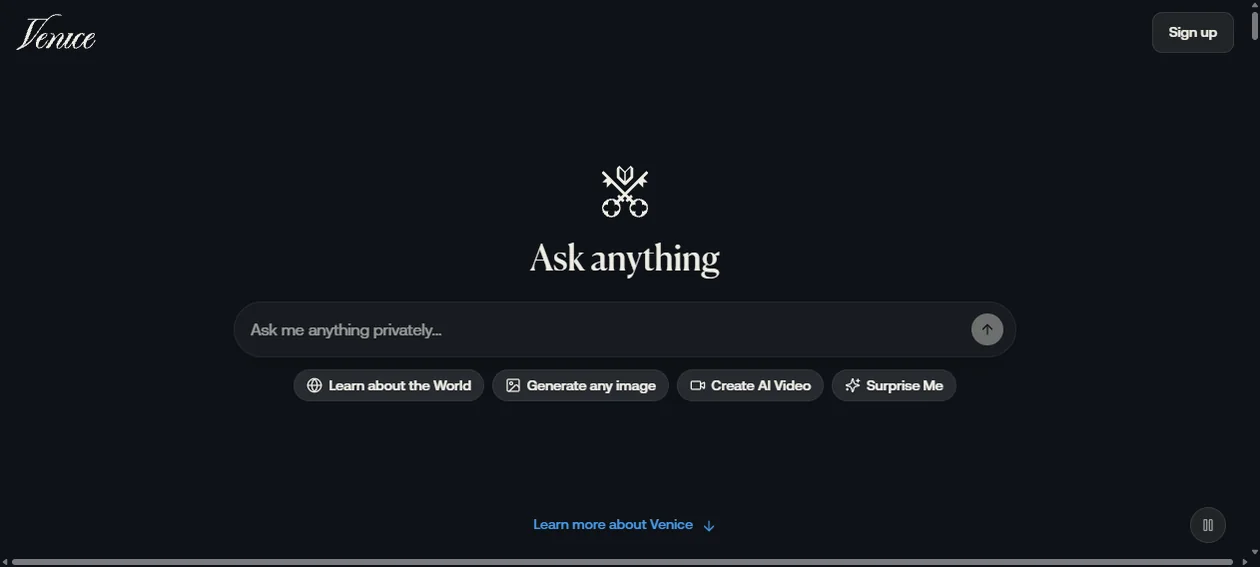
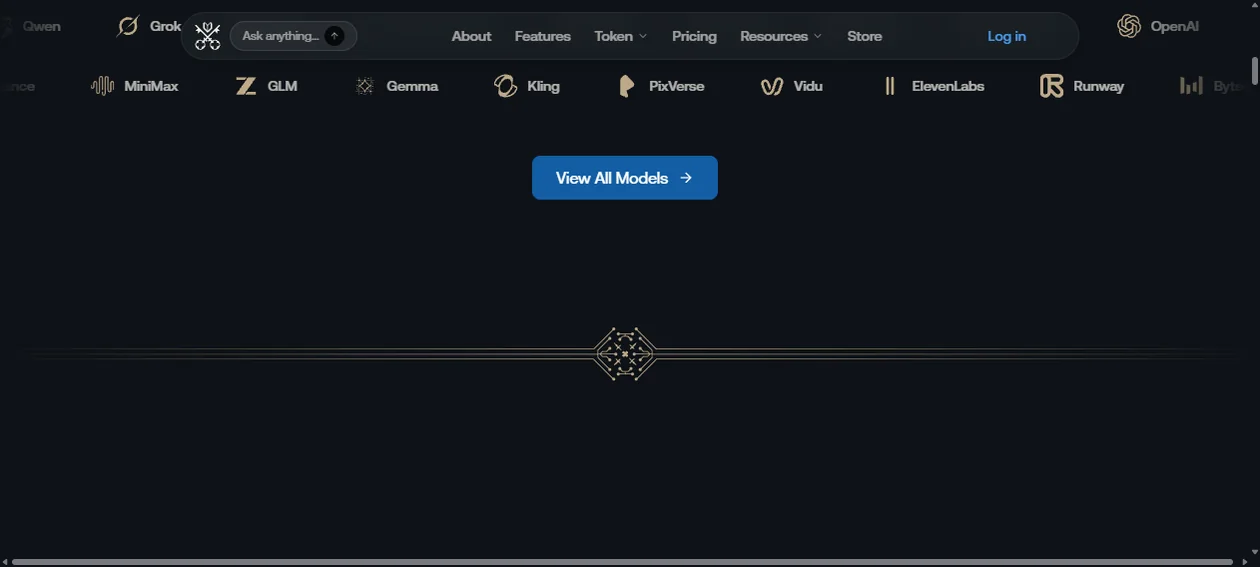
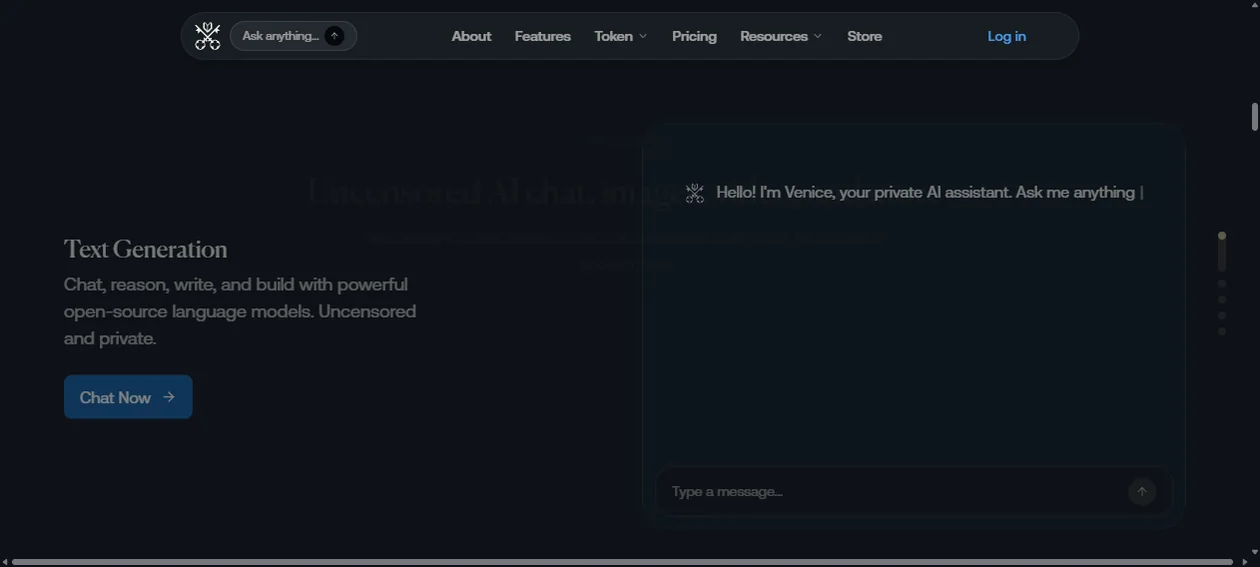
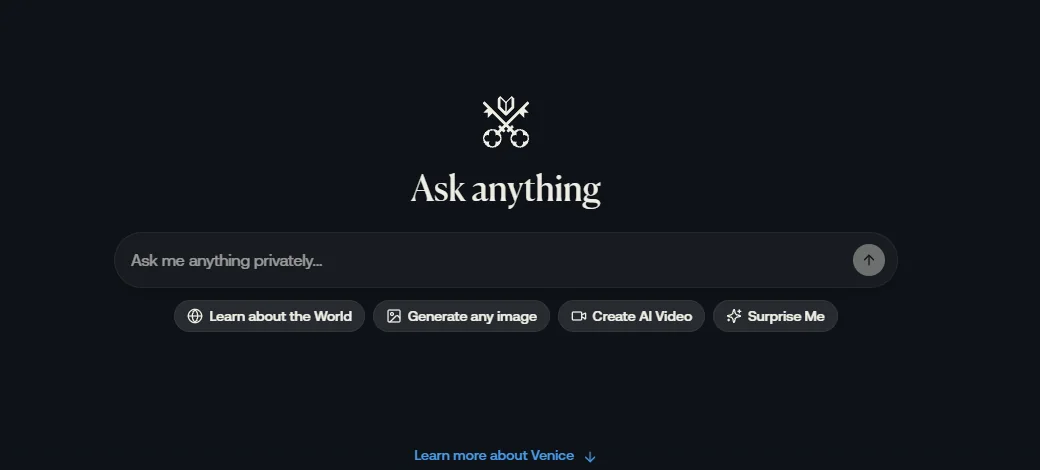
These captures were taken from Venice's public first-party site on 19 October 2026. They document the interface and the company's own presentation; they do not prove how every request is processed. Each caption explains the practical signal rather than merely repeating a headline.
The opening screen centres a blank private prompt. The restrained entry point puts the prompt field before account furniture and presents chat and image generation as the two immediate directions. This is interface evidence, not proof of a particular privacy route.The public page frames creative freedom as a core promise. The language links privacy and fewer creative restrictions, which explains the service's appeal. Readers should still evaluate the selected model badge, legal limits and output quality separately.Privacy messaging sits beside model access rather than behind it. This screen shows that privacy is part of the product presentation, but the dedicated privacy page supplies the essential distinctions among Anonymous, Private, TEE and E2EE processing.A closer crop shows the low-friction starting point. The interface invites immediate use without explaining every trust assumption in the prompt area. A careful user should inspect privacy information before introducing sensitive details, even when entry feels anonymous.
INDEPENDENT VERDICT
Who may find Venice useful
Venice may suit adults who dislike one-provider lock-in, want to switch among models and value a privacy interface that names different trust levels. It is particularly interesting for exploratory writing, private drafts, brainstorming and image ideation where mainstream assistants can feel over-steered. The strongest case is control: local conversation history, explicit privacy badges and a choice between broad model access and stronger technical protections.
It is not a magic secrecy cloak. Anonymous mode can still involve a provider that sees and may retain content; Private mode depends on contractual and operational promises; TEE and E2EE have narrower model or feature availability and may be slower. Uncensored does not mean consequence-free, always accurate or exempt from law. Do not upload personal records, third-party secrets or material you lack the right to use merely because the interface feels private.
Venice markets the service as uncensored and permissionless, and its open-model routes may answer creative or controversial prompts that some mainstream assistants decline. That is not an absolute guarantee. Individual models can have their own training boundaries, system behaviour and quality limits, while the service still operates under law and its current terms. Judge the label by testing a lawful, non-harmful workflow rather than seeking a promise that every request will be fulfilled.
Does Venice AI store conversations?
Venice says conversation history stays locally in your browser and that its proxy does not store prompts and replies. The privacy mode still matters at the inference provider. Anonymous mode can expose content to a provider under that provider's retention policy, while Private, TEE and E2EE claim progressively different protections. Your device, browser profile, screenshots, exports and backups remain your responsibility.
What is the safest mode for sensitive text?
Venice presents E2EE as its strongest option because encryption starts on the device and content is decrypted only inside a verified trusted environment. However, it is a Pro feature with fewer models and no web search or memory. Even then, the cautious approach is data minimisation: remove names, identifiers and secrets before sending a prompt whenever possible.
Are the people on this page Venice characters?
No. They are original fictional adult portraits created for this independent guide. Their names, roles and prompt ideas are editorial examples, not Venice features, official personas, real people or images generated in a documented Venice session. They show how varied briefs can be framed without implying that the service supplies a companion catalogue.
Should I pay before testing it?
Start with the access Venice currently offers, inspect the model selector and confirm which privacy modes and creative tools require a paid plan. A subscription may be useful if you need eligible TEE or E2EE models, but plan details can change. Compare your actual prompt quality, latency, limits and privacy requirements rather than buying solely for the word uncensored.
07
Official documents and South Africa privacy guidance
The product links below describe Venice's current modes, model compatibility and terms. The ICO guidance explains why data minimisation still matters even when a service offers stronger privacy controls.
Venice privacy modes — first-party definitions of Anonymous, Private, TEE and E2EE, including their stated trade-offs
Venice API model catalogue — current first-party reference for model-level privacy tiers, context and capabilities
Venice terms of service — official terms covering third-party services, availability changes and user responsibilities